Tell the Forest Service to keep the existing Roadless Rule!
The Forest Service has proposed to rescind the 2001 Roadless Area Conservation Rule, which protects about 6 million acres of wild national forest lands in Montana from destructive commercial logging and road building, including most of the Badger-Two Medicine and adjacent national forest lands along the Wild and Scenic Middle Fork of the Flathead river that are not part of the Great Bear Wilderness. Nationwide about 45 million backcountry acres are at risk.
Defend some of our last remaining wild places. Tell the Forest Service to keep the existing Roadless Rule! Please comment against the rescission by September 19th.
How to Comment:
The Forest Service is accepting public comment on the proposed rollback of the Roadless Rule until Sept. 19th. We need as many comments as possible in favor of keeping the existing Rule!
Tell the Forest Service: Keep the existing Roadless Rule!
Electronically:
Submit comments electronically at Regulations.gov.
Be sure to state you are commenting on Docket Number FS-2025-0001.
By Mail:
Director, Ecosytem Management Coordination
201 14th St. SW,
Mailstop 1108
Washington, DC 20250-1124
Note: public comments may be placed in the public record. Do not submit confidential information.
Suggested Talking Points:
GTMA encourages you to include the following points in your comments:
- Share what you like about, or like to do, in roadless areas, such as hunt, fish, gather, bird, hike, ride horses, paddle or spend time outdoors with family, friends, or alone. Emphasize the values at risk and potential impacts to specific roadless areas you know or care about should the Rule be rescinded.
- The Rule safeguards high quality wildlife habitat along with intact movement and migration corridors for elk, mule deer, mountain goats, grizzly bears and many other sensitive or culturally significant species.
- Roadless areas protect fragile headwater streams that provide exceptionally clean drinking water for communities and agriculture, as well as critical native trout habitat.
- More roads mean more wildfires, not less. According to scientific research, wildfires are more than 4 times as likely to start near roads than in roadless areas – because fires are mostly started by people!
- Rescinding the Roadless Rule is fiscally irresponsible. The Forest Service already faces a more than $8 billion deferred maintenance backlog; it simply doesn’t have the budget (or staff) to build new roads, let alone to maintain the current 360,000-mile system.
Why This Matters
Since it was adopted in 2001, the Roadless Rule has proven highly effective at maintaining healthy intact forests, safeguarding wildlife habitat and migration corridors, protecting headwater streams and clean drinking water sources from harmful sedimentation, and providing outstanding backcountry recreational opportunities, all part of the agency’s multiple use mandate. At the same time, the Rule has saved taxpayers money by limiting costly road construction, maintenance and associated ecological damage.
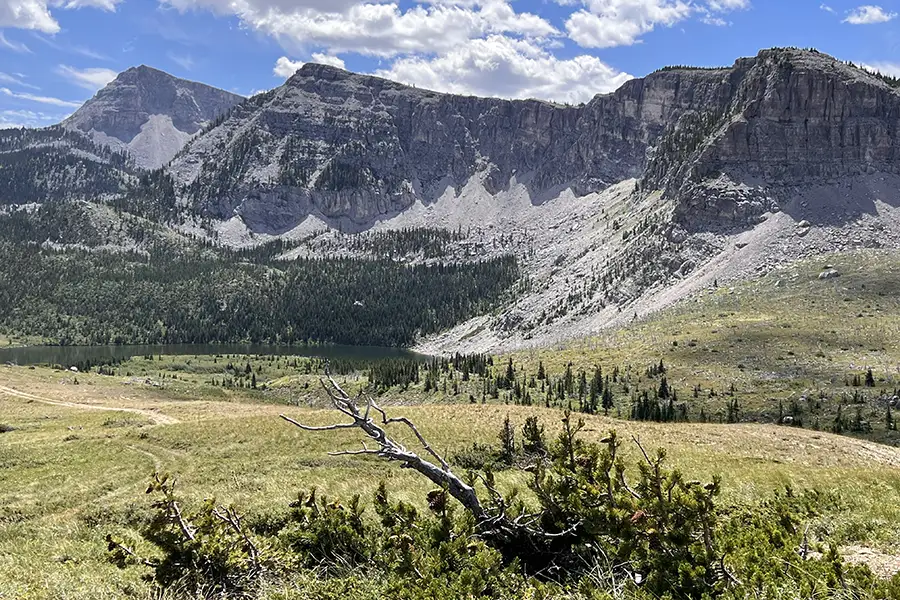
If the Rule is rescinded, we could see new roads and timber sales in the wild and sacred Badger-Two Medicine one day, or new roads punched into your favorite backcountry powder stashes, fishing, or hunting grounds along the Middle Fork of the Flathead River. Make no mistake. The rollback is not about responsible forest management. It is all about the industrialization of our shared public lands for corporate benefit.
Defend the Badger-Two Medicine and other national forest roadless areas. Oppose the rollback. Comment by September 19th.
Learn More
Read our breakdown about the Roadless Rule and its importance to the Badger-Two Medicine and the Flathead National Forest lands in the heart of the Crown of the Continent ecosystem.
Read the government’s Notice of Intent to Prepare an Environmental Impact Statement.